
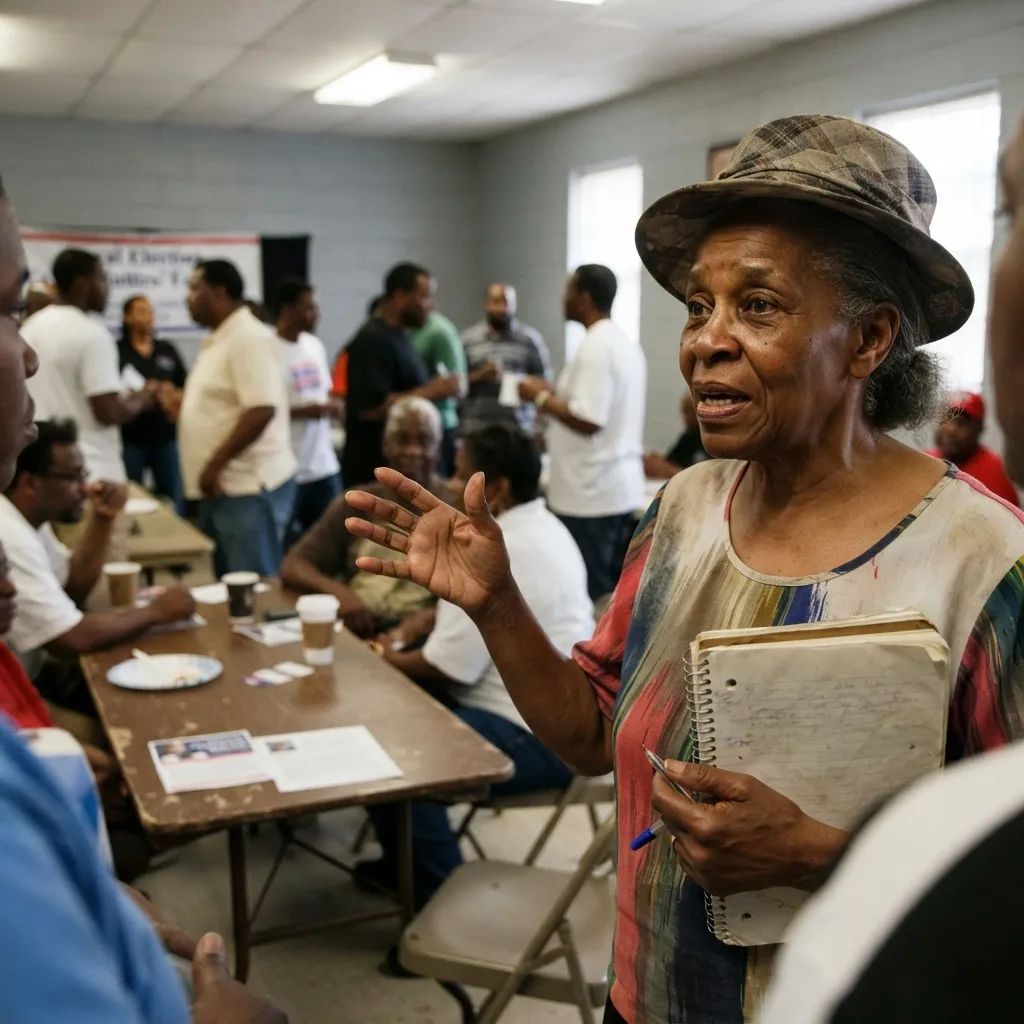
For too long, the Democratic Party has relied on Black voters as its foundational strength while simultaneously treating the Southern states where those voters live as political lost causes. Recent election results suggest this strategy is not only unfair but strategically flawed. From narrow victories in Mississippi to near upsets in Louisiana and South Carolina, candidates have proven they can remain competitive even when facing overwhelming financial disadvantages. These results indicate that there is a hunger for Democratic representation in the South, provided the national party stops viewing these regions through a lens of inevitable defeat.
The frustration among Southern Democrats stems from a stark disparity in resource allocation. While huge sums are poured into traditional swing states like Ohio and Michigan during the final stretch of a campaign, Southern races often receive mere fractions of that support. However, money is only half the problem; timing is equally critical. Investing heavily in October cannot compensate for nineteen months of neglected community organizing and missing infrastructure. To truly expand the electoral map, the party must move away from short term spending sprees and toward consistent, multi year engagement.
Florida serves as a prime example of where strategic patience could pay off. Despite recent challenges, flips in state house races and razor thin margins in gubernatorial and senate contests show that Florida remains fertile ground for growth. By focusing on sustained voter registration and education rather than last minute television ads, Democrats could rebuild their presence in one of the nation’s most diverse states. This requires a shift in mindset from seeing success solely as a victory on election night to valuing the slow build of local power structures over several cycles.
To achieve this systemic change, leadership roles within key campaign committees may need to evolve beyond two year terms to allow for deeper institutional knowledge and stability. It is time for major donors, super PACs, and national organizers to stop chasing immediate returns and start playing the long game. Only by investing early and consistently across all fifty states can the party claim to represent everyone it calls its backbone.