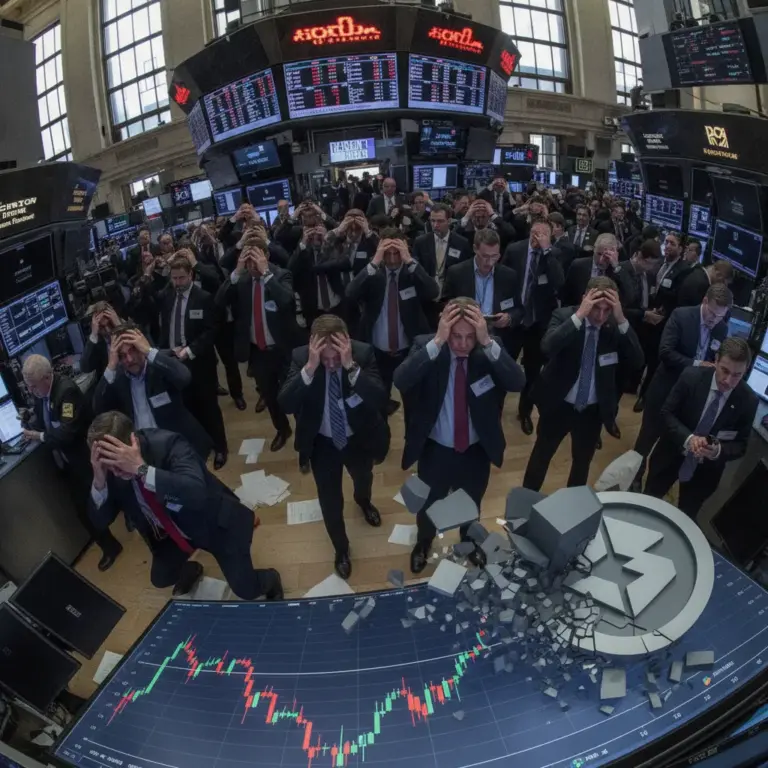
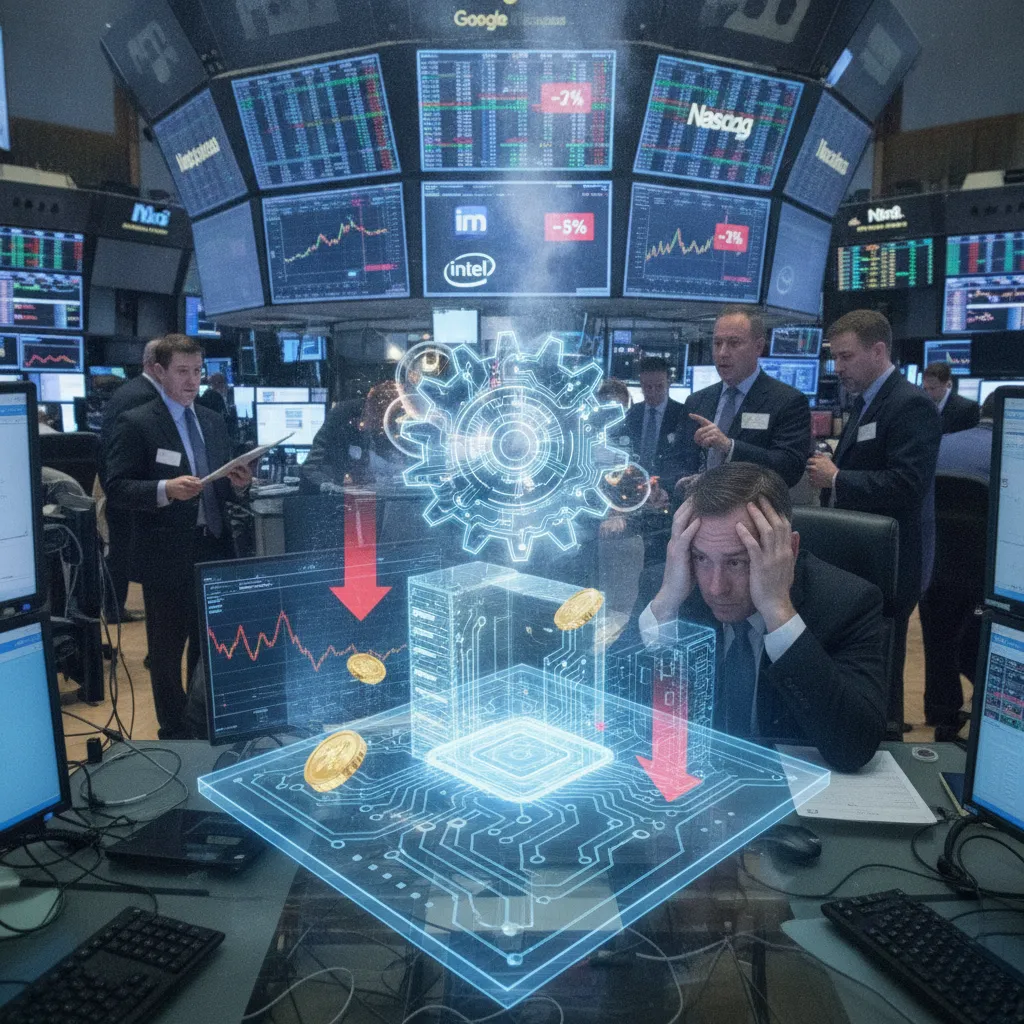
Wall Street is beginning to show signs of anxiety over the staggering costs of the artificial intelligence revolution. Recent volatility has hammered some of the world’s largest tech giants, with Google and Intel seeing dramatic drops and others facing significant declines as the Nasdaq edges toward a correction. To many observers, the pattern is clear: building the physical infrastructure required to run AI is astronomically expensive, and current corporate profits simply aren’t keeping pace with those investments. This disconnect suggests a looming crisis where spending on data centers outweighs the actual revenue generated by the tools themselves.
Despite this stock market turbulence, Big Tech continues to pour money into AI without hesitation. Projections suggest annual spending could reach a trillion dollars per year for the next decade, fueled largely by a bond market that remains surprisingly indifferent to the panic seen in stocks. While shareholders worry about immediate profitability, lenders are still eager to provide the debt necessary to fund this technological overhaul. For companies like Microsoft, Meta, and Amazon, borrowing has become a primary strategy to cover everything from chips to electricity while waiting for monetization to kick in months or even years later.
However, this reliance on borrowed capital introduces a precarious variable into the equation. There is only so much appetite for debt among investors, especially as they compete with U.S. Treasury bonds during a period of high government spending. While analysts believe top tier tech firms still have plenty of headroom to borrow billions more, smaller players known as neoclouds are already feeling the squeeze. Some of these highly leveraged firms are seeing bond yields surge as losses pile up, leading critics like Elon Musk to predict a brutal shakeout within that specific sector of the industry.
Ultimately, the survival of the AI boom depends less on today’s quarterly earnings and more on how long creditors are willing to maintain their confidence. As long as cloud revenue grows and demand for advanced AI agents increases, hyperscalers can likely weather higher borrowing costs. But if negative sentiment eventually migrates from stocks to bonds, interest rates could climb to unsustainable levels. Investors are betting that there is a light at the end of this incredibly expensive tunnel; they just haven’t figured out exactly how long that tunnel actually is.