
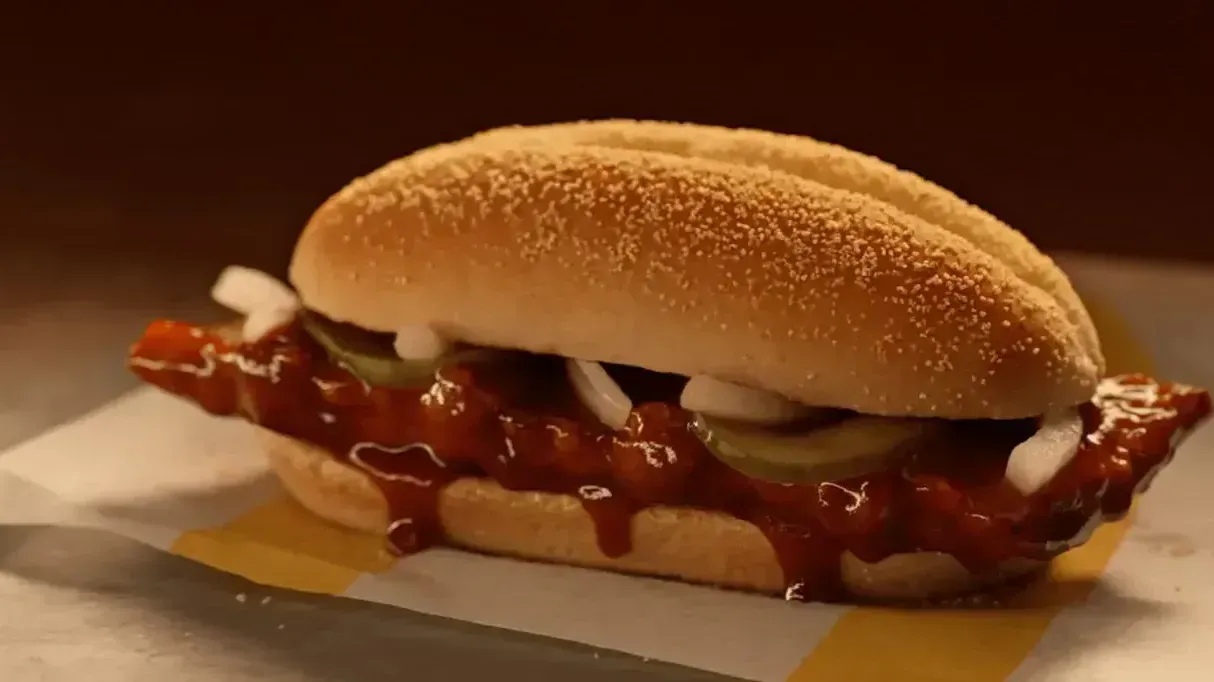
A federal judge has dealt a blow to McDonald’s by refusing to toss out a class action lawsuit centered on whether the McRib actually contains rib meat. In a ruling issued late last month, U.S. District Judge April Perry determined that it is too early to dismiss the claims, suggesting that an average customer might reasonably assume a sandwich named the McRib consists of actual ribs rather than other processed pork cuts. While the judge did throw out some minor portions of the suit, she insisted that the core argument regarding consumer deception deserves a full hearing.
The legal battle began when four plaintiffs filed suit in Northern Illinois, arguing that the combination of the product’s name, its specific shape, and its premium pricing tricks people into paying more for what they believe is high end meat. The lawsuit specifically alleges that the chain utilizes lower grade pork components such as shoulder, heart, tripe or stomach to create the patty. By doing so, the plaintiffs claim McDonald’s is essentially defrauding its loyal fanbase through misleading marketing tactics designed to mimic a luxury cut of meat.
McDonald’s has pushed back aggressively against these accusations, telling Reuters that their ingredient lists have always been transparent and denying any use of organs like hearts or stomachs in the recipe. The company argues that simply giving a product a catchy name doesn’t constitute fraud and that most reasonable adults understand how fast food processing works. They maintain that just because someone prefers a different cut of pork doesn’t mean the company lied about what they were selling.
Despite those defenses, Judge Perry noted that while the official website refers broadly to pork, advertisements emphasizing the rib likeness could potentially show an intent to deceive. She wrote that believing a McRib contains rib meat is not an unreasonable or fanciful conclusion for a buyer to reach. With this decision, lawyers for the plaintiffs say they are emboldened to keep pushing for accountability over what they describe as deceptive business practices surrounding one of the brand’s most famous seasonal offerings.