
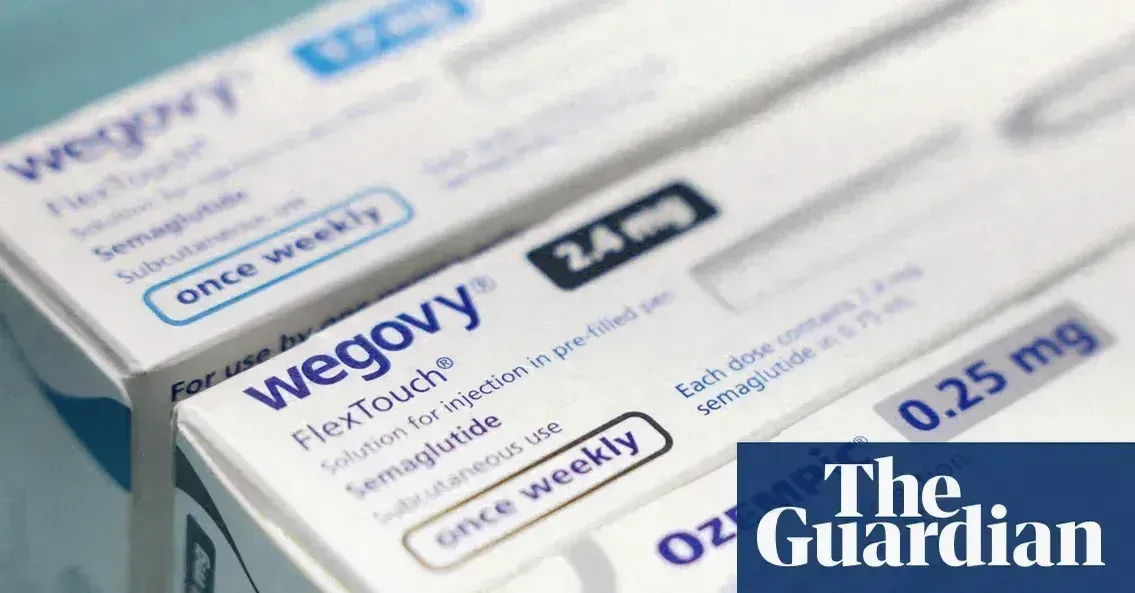
The U.S. Food and Drug Administration is ordering manufacturers of popular GLP-1 medications to update their warning labels following evidence that these drugs may be linked to a rare condition causing permanent blindness. This mandate affects a wide range of high profile treatments used for both type 2 diabetes and obesity, including Ozempic, Wegovy, Mounjaro, and Zepbound. The specific concern involves nonarteritic anterior ischemic optic neuropathy, or NAION, a condition where blood flow to the optic nerve is suddenly reduced, leading to acute and painless vision loss in one eye.
The regulatory move follows an investigation sparked by a 2024 study in JAMA Ophthalmology. To verify those findings, the FDA reviewed more than 120 clinical trials encompassing over 134,000 patients. Their analysis revealed that patients using GLP-1 receptor agonists experienced NAION at nearly double the rate of those taking placebos or other types of glucose lowering medications. While the occurrence remains rare, officials determined that the potential risk warrants explicit inclusion in the warnings and precautions section of product packaging across all marketed versions of these drugs.
Medical experts note that NAION typically affects adults over 50 and is often associated with existing risk factors like hypertension, smoking, and diabetes itself. Because there is currently no known treatment to reverse the vision loss caused by this condition, the FDA believes transparency regarding the risk is essential for patient safety. These medications have seen a massive surge in popularity recently as they are increasingly prescribed off label for cosmetic weight loss alongside their primary role in metabolic health.
Pharmaceutical companies have reacted with varying degrees of caution. A spokesperson for Novo Nordisk stated that while patient safety is their priority, the company still believes current data fails to prove a direct cause and effect relationship between its medicines and the eye condition. Meanwhile, this latest safety alert arrives as global health advocates warn that the immense commercial focus on GLP-1 weight loss products may be straining the production and availability of traditional insulin supplies worldwide.