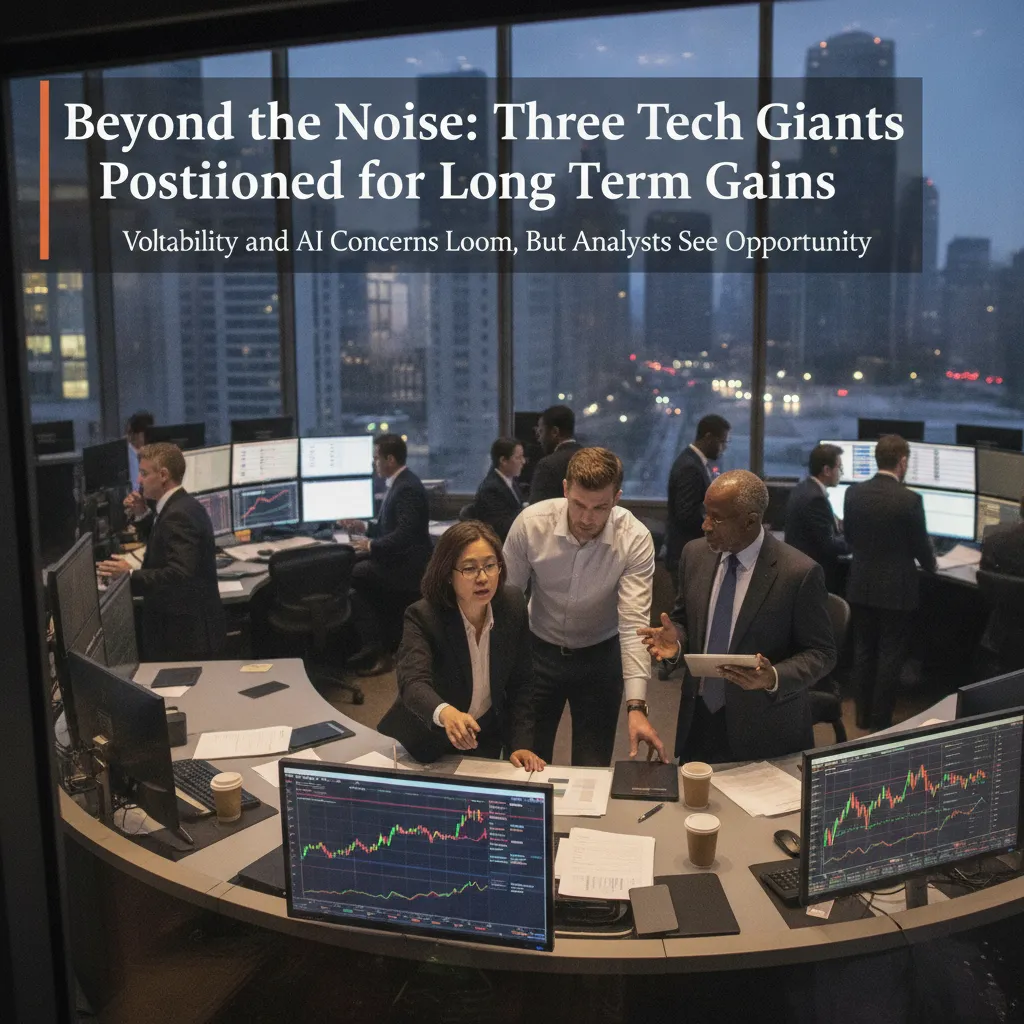
Between the volatility of earnings season and the looming uncertainty of upcoming elections, many investors are feeling the pressure of short term market swings. Concerns regarding whether artificial intelligence spending has peaked are weighing heavily on current sentiment, yet some of Wall Street’s most successful analysts suggest that now is the time to look past the immediate chaos. By focusing on fundamental research rather than headlines, experts identify several key players poised for sustainable growth regardless of temporary dips.
One such standout is Datadog, an AI powered observability and security platform that continues to ride a wave of cloud migration. Bank of America analyst Koji Ikeda recently raised his price target for the company to 335 dollars, noting that demand for infrastructure software is strengthening as enterprises integrate AI agents into their operations. Despite potential risks associated with client concentration, Ikeda believes Datadog is aggressively capturing market share in a sector that is expanding much faster than previously anticipated.
In the hardware space, Nvidia remains a cornerstone recommendation despite its already massive presence in the semiconductor market. Morgan Stanley analyst Joseph Moore maintains a bullish outlook with a 300 dollar price target, arguing that Nvidia has masterfully navigated supply chain bottlenecks and power constraints. According to Moore, the company is continuing to build competitive advantages that will extend well into 2027, specifically through strategic deals in packaging and testing that help close the gap between soaring demand and available supply.
Rounding out the list is SpaceX, which has demonstrated staggering financial acceleration through its vertically integrated business model. Recent reports highlight a massive surge in AI revenue and connectivity growth, with subscriber numbers climbing toward 14 million. Analyst Ryan Koontz from Needham suggests terms like scale barely cover what SpaceX is achieving, particularly as confidence grows around Starship re-use and plans to expand computational capacity throughout 2027. Together, these three companies represent a bet on the enduring utility of AI across software, chips, and aerospace infrastructure.