Air travel across the United States descended into chaos on Friday when the Federal Aviation Administration issued a nationwide ground stop, marking the longest such disruption in twenty five years. For over four hours, departing flights were frozen on runways due to a critical telecommunications outage that hampered air route traffic control centers. While planes already in flight were permitted to land safely, the sudden freeze left millions of travelers stranded and triggered thousands of cancellations and delays, echoing the scale of shutdowns not seen since the aftermath of September 11.
Government officials were quick to dismiss fears of foul play or security breaches. Homeland Security Secretary Markwayne Mullin clarified that the event was not a cyberattack or a terrorist act, ensuring the public that everyone remained safe. According to Transportation Secretary Sean Duffy, the crisis was actually born from a technical bottleneck where modern data loads overwhelmed outdated switches and routers within the system. This overload created intermittent gaps in communication and radar coverage, forcing authorities to halt departures until stability could be restored.
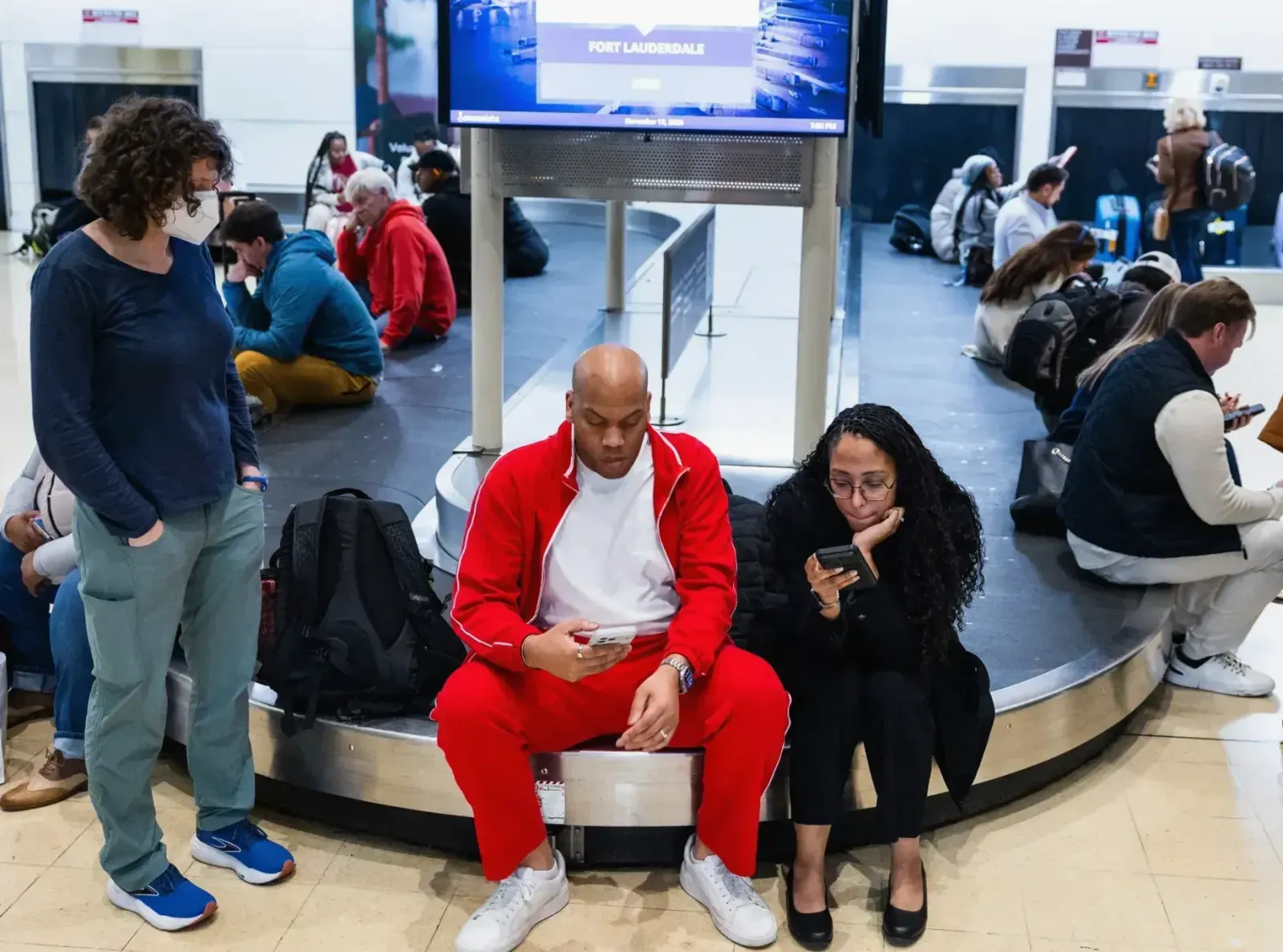
The fallout felt immediate and visceral for passengers trapped in terminals. At Los Angeles International Airport, travelers described a frustrating lack of transparency as they waited hours without clear updates on their status. With roughly eleven thousand flights scheduled to depart during the window of disruption, airline crews found themselves scrambled and exhausted. Even after the airspace officially reopened on Friday evening, officials warned that recovery would be sluggish, noting that pilot and flight attendant availability would dictate how quickly schedules returned to normal.
This systemic collapse has reignited concerns regarding the crumbling state of America’s aviation infrastructure. A recent Government Accountability Office report had already sounded alarms about aging copper cabling from the 1960s and a rushed approach to modernization that risked overloading old hardware with new software demands. Experts now question why redundant backup systems failed to prevent such a widespread blackout, suggesting that unless deep structural upgrades are prioritized over quick fixes, the skies may face similar vulnerabilities in the future.