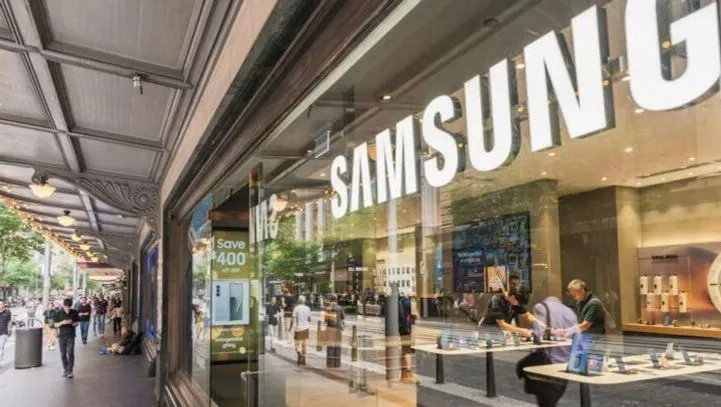
South Korea’s Kospi closed Tuesday, November 10, at 5,239.13, up 4.39%, after reaching 5,300.92 intraday, a 5.62% gain from Monday’s close. Earlier, the Korea Exchange activated a five-minute buy-side sidecar at 9:06 a.m. on a move in KOSPI 200 futures. That futures-based trigger was separate from the cash index’s intraday rise; it paused program-buy orders, not all trading.The rally reversed part of a three-session slide after last week’s technology selloff. Samsung Electronics closed up 4.74% at 198,900 won, while SK Hynix gained 6.69% to 1,212,000 won. The index surrendered part of its early advance before the close.
What a buy-side sidecar does
KRX triggered the sidecar at 9:06 a.m. Seoul time. The rule applies when the KOSPI 200 futures index moves at least 5% for one minute. A buy-side trigger suspends program-buy orders for five minutes, not all share trading. The exchange’s market guide describes the mechanism as a temporary response to sharp futures moves.Unlike a circuit breaker, the sidecar does not stop the broader market. It briefly interrupts program flow connected to futures moves; it is a volatility control, not a signal that prices are excessive or that a rally is finished.
Wall Street’s chip bounce powered the Seoul recovery
The rebound followed a strong US session: the Philadelphia Semiconductor Index rose nearly 7% and the Nasdaq Composite gained 2.74%. Nvidia fell about 4.3%, but gains in AMD, Broadcom and Micron lifted the chip index. Mirae Asset Securities analyst Kim Seok-hwan said US semiconductor shares were “boosting South Korean stocks within the semiconductor value chain.”Samsung and SK Hynix are major index constituents and memory suppliers to data centres and AI systems. Their gains reflected bargain hunting and renewed demand for AI hardware, but do not resolve concerns that high valuations and data-centre spending could be vulnerable to changing expectations.Japan also rebounded: the Nikkei 225 closed at 60,459, up 2.87%, while SoftBank rose 13.9%, according to Trading Economics. Falling oil and easing Middle East tensions supported the regional risk-on move. The prior Asia selloff showed how chip-stock concentration can amplify losses.
CPI is the next test for the rebound
The US October consumer price index is scheduled for 8:30 a.m. Eastern on November 10, which is 10:30 p.m. in Seoul, after the Korean cash market has closed. The Bureau of Labor Statistics calendar places the release before the next Asian session. A softer inflation reading could support expectations of easier monetary policy and help sustain demand for long-duration technology shares; a hotter reading could lift yields and put pressure back on high-multiple growth stocks.A prior Samsung and KOSPI report explained how futures moves trigger sidecars; a rally that later reversed is a reminder that early strength can fade. The recent SK Hynix decline and AI-chip retreat show the other side of the concentration.The Kospi’s 4.39% close remained below its intraday high. Retail investors sold 1.34 trillion won, while foreign investors returned as net buyers for the first time in eight sessions, purchasing 353.2 billion won, according to Korea Times. That shift offers a stronger test of the rebound’s sponsorship than the headline index move alone. If CPI reinforces risk appetite, chip leaders may hold support; if it lifts rate concerns, the sidecar will have marked a pause in orders, not a floor under valuations.
Takeaway: The Kospi closed up 4.39% at 5,239.13 after reaching an intraday gain of 5.62%. Separately, the exchange triggered a five-minute buy-side sidecar when KOSPI 200 futures met their threshold, pausing program-buy orders. Samsung and SK Hynix led the rebound as the semiconductor index gained nearly 7%, but the next test is whether foreign buying persists after the US CPI release.