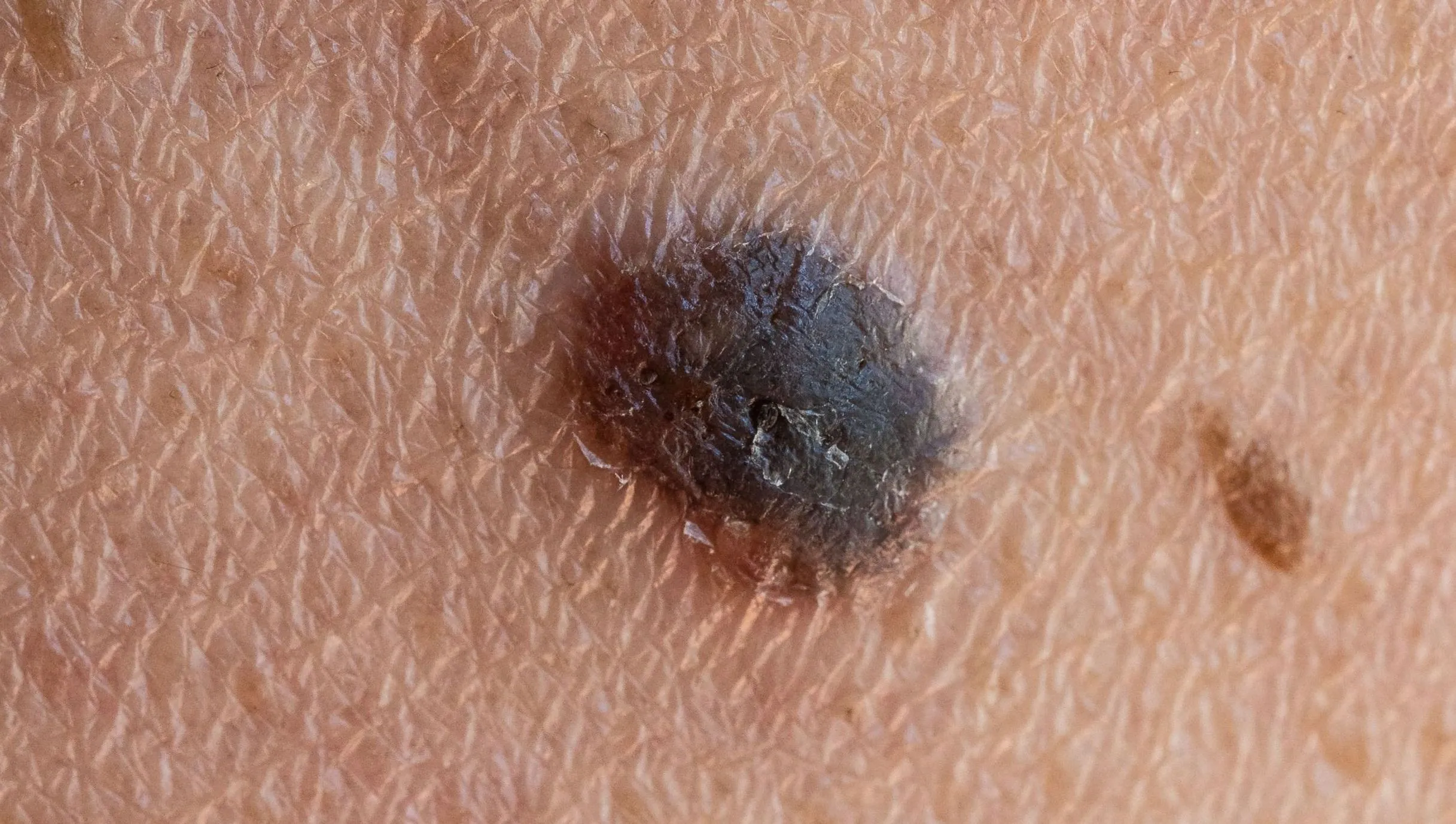
Medical science has reached a historic milestone with the success of the first personalized mRNA cancer vaccine, which has significantly lowered the chances of melanoma returning or proving fatal. In a massive phase three clinical trial involving over 1,100 patients across the globe, the combination of this custom vaccine and standard immunotherapy reduced the risk of recurrence or death by 42 percent. Dr. Georgina Long, a lead investigator from Melanoma Institute Australia, described the result as a foundational shift in oncology, noting that such targeted precision had never been achieved in the history of drug development.
Developed through a partnership between Moderna and Merck, the treatment functions like a biological wanted poster. Doctors begin by sequencing a patient’s specific tumor to identify its unique genetic fingerprint. This data is used to create an mRNA vaccine that teaches the patient’s own immune system exactly how to recognize and destroy any remaining cancer cells hiding in the body. When paired with Keytruda, an existing immunotherapy that prevents cancer from fooling the immune system, the results are far more potent than using traditional medication alone.
While the prospect is promising, particularly for countries like Australia where melanoma claims a life every six hours, the treatment is not yet available to the general public. The results have entered a rigorous regulatory review process that could take several years to complete. However, experts believe this victory serves as a critical proof of concept for treating other forms of malignancy. Despite some recent setbacks in trials for colorectal and head and neck cancers, this breakthrough suggests that tailoring therapy to an individual’s unique tumor signature could eventually revolutionize how various types of cancer are managed worldwide.