The post Thailand Approves Bitcoin for Derivatives Market, Crypto ETFs Could Follow appeared first on Coinpedia Fintech News
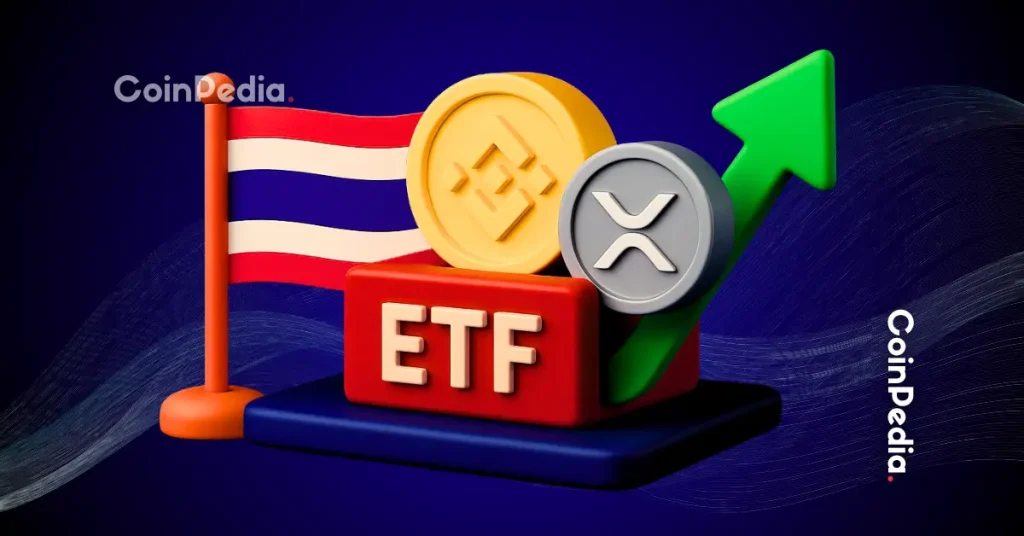
Thailand just opened the door for Bitcoin in its regulated derivatives market. The Thai Cabinet approved changes to the country’s Derivatives Act that allow digital assets like Bitcoin to be used as underlying assets for futures and options contracts.
The country’s crypto market is already valued at $3.19 billion, with an average daily trading volume of $95 million. That existing liquidity gives the derivatives push a solid base to build on.
Now, the real work begins.
What the SEC Will Do Next
Following the Cabinet’s approval, the Securities and Exchange Commission (SEC) will amend the Derivatives Act B.E. 2546 and begin drafting new licensing and oversight rules. The regulator is also working with the Thailand Futures Exchange (TFEX) to set contract specifications for crypto-linked derivatives.
SEC Secretary-General Pornanong Budsaratragoon said the expansion “will strengthen the recognition of crypto as an asset class, promote market inclusiveness, enhance portfolio diversification, and improve risk management for investors.”
The SEC is also reviewing licensing frameworks for derivatives brokers, exchanges, and clearinghouses.
Bitcoin Futures and Crypto ETFs on the Radar
The SEC’s 2026 capital markets plan includes Bitcoin futures and crypto exchange-traded funds.
Deputy Secretary-General Jomkwan Kongsakul said last month that crypto ETFs could launch early this year, subject to legal amendments.
.article-inside-link {
margin-left: 0 !important;
border: 1px solid #0052CC4D;
border-left: 0;
border-right: 0;
padding: 10px 0;
text-align: left;
}
.entry ul.article-inside-link li {
font-size: 14px;
line-height: 21px;
font-weight: 600;
list-style-type: none;
margin-bottom: 0;
display: inline-block;
}
.entry ul.article-inside-link li:last-child {
display: none;
}
Binance Thailand Reacts
Nirun Fuwattananukul, CEO of Binance Thailand, called the move a “watershed moment” for the country’s capital markets.
“It sends a strong signal that Thailand is positioning itself as a forward-looking leader in Southeast Asia’s digital economy,” he said.
He added that digital assets are now seen as assets that can reshape capital markets.
Crypto Payments Still Banned
Worth noting: while Thailand is welcoming institutional crypto activity, the central bank still bans crypto payments. The government also launched an anti-money laundering campaign in January targeting crypto-linked “gray money.”
The next steps to watch are the SEC’s rule drafting timeline, TFEX product launches, and whether this puts pressure on Singapore and Hong Kong to keep pace.
Never Miss a Beat in the Crypto World!
Stay ahead with breaking news, expert analysis, and real-time updates on the latest trends in Bitcoin, altcoins, DeFi, NFTs, and more.
FAQs
Access will likely depend on investor classification and suitability rules set by the SEC and TFEX. Retail participation may be allowed, but with leverage limits, disclosure requirements, and risk warnings to reduce speculative harm.
A delay may slow the rollout of federally supervised crypto banking services, including custody and payments. Customers could face fewer regulated options and continued reliance on state-chartered or offshore entities.
Yes. Regulatory competition is common in capital markets, and expanded crypto derivatives in Thailand may prompt policymakers in Singapore or Hong Kong to reassess their own product timelines and frameworks.
Authorities typically assess market manipulation, custody safeguards, clearinghouse stability, and investor protection standards. Stress testing and margin rules are often used to limit systemic spillover if prices swing sharply.